
GENERATOR INSTALLATION
Standby Generator Installation Made Simple
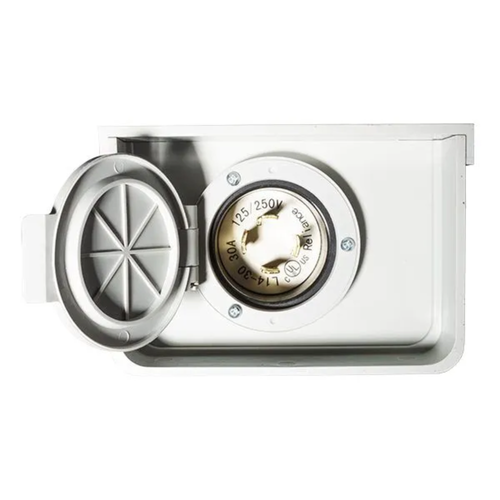
Site & Load Planning
Understand placement, power needs and system requirements.
Generator Sizing
Match generator capacity to the loads you want to protect.
Transfer Switch Planning
Choose the right transfer switch for your backup power setup.
Installation Support
Get practical guidance before and during your installation project.
A Better Way to Plan Your Generator Installation
- Clear generator and transfer switch recommendations
- Practical placement and installation considerations
- A straightforward path from planning to installation

Generator + Transfer Switch + Installation Planning
How Generator Installation Works
Assess Your Power Needs
Choose the Right Generator
Plan Placement & Transfer
Complete Installation & Testing

Why Choose a Standby Generator?
- Automatic backup power during outages
- No extension cords or manual generator setup
- Can support selected circuits or whole-home loads
- Works with natural gas or liquid propane on compatible systems
- Designed for dependable long-term backup power
Installation Should Be Done the Right Way
Generator Installation FAQs
A standby generator is a permanently installed backup power system that can start automatically when utility power is interrupted. Depending on system design and generator capacity, it can support selected essential circuits or a larger portion of the home.
Generator sizing depends on the electrical loads you want to protect. Major appliances, HVAC equipment, pumps and other large loads should be considered before selecting generator capacity.
A typical installation includes generator placement, a suitable mounting base, fuel connection, electrical connection, transfer switch integration, startup and testing. Requirements vary by property and local code.
A transfer switch separates utility power from generator power and safely transfers the selected electrical loads between the two sources. The correct transfer equipment depends on your generator and electrical system.
Yes, when the generator and electrical system are properly sized for the connected loads. Some homeowners choose whole-home coverage while others prioritize essential circuits to reduce system size and cost.
Yes. Routine maintenance such as oil, filter, battery and general inspection helps keep a standby generator ready for outages. Always follow the maintenance schedule in the manufacturer’s manual.
Standby systems involve electrical and fuel connections and may require permits or inspections. Qualified professionals should handle installation according to local requirements and manufacturer instructions.
Start by deciding which loads you want to protect, then contact Gen Power Depot for product guidance and the next steps for your generator installation project.